
I Like Flowers Again
Hope for OCD: Part 1

I don’t understand why people grow flowers.
I used to think flowers were pretty, but now they just remind me of how fleeting joy can be, and how it could be wrong to spend time / money on them.
What’s the point of wasting money to plant something nice to look at if it’s just going to die a few months (if not weeks) later?
Or what if it’s wrong to celebrate worldly beauty / joy, like the kind people experience when they look at flowers?
Am I ever going to be able to find joy in them like I used to?
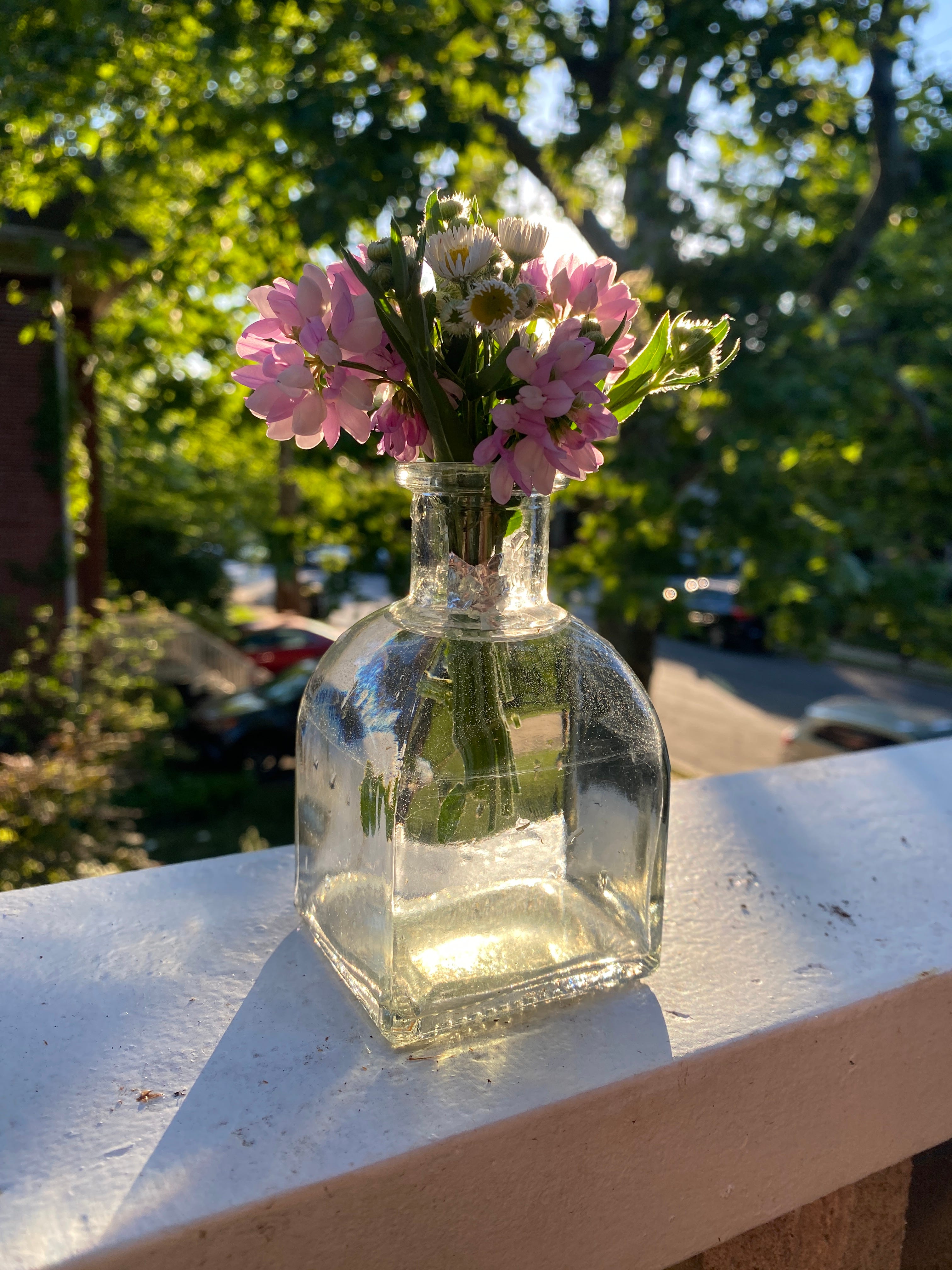
Thoughts like these were the kind that used to waltz through my mind like unwelcome strangers on a wedding dance floor. I had similar questions about topics like creating art, traveling, or watching movies.
What was the point of any of it if it wasn’t going to last forever? Why spend time, money, and energy to cultivate or experience something so beautiful, yet so unforgivingly fleeting?
Plus, what if it was wrong to find joy in something so “worldly?” Shouldn’t I only be experiencing joy through more “spiritual” activities?
While some of my “what’s the point” or “what if this is wrong” questions likely stemmed from past bouts of depression, I know that my OCD played the biggest role in how I’ve questioned engaging with things like art, beauty, music, and more.
This year, as I’ve continued healing from one of the hardest OCD seasons of my life, I’m finding surprising ways in which the Lord is restoring my mind, heart, and spirit in some of these areas.
Among these restorations is my newfound love of wildflowers.
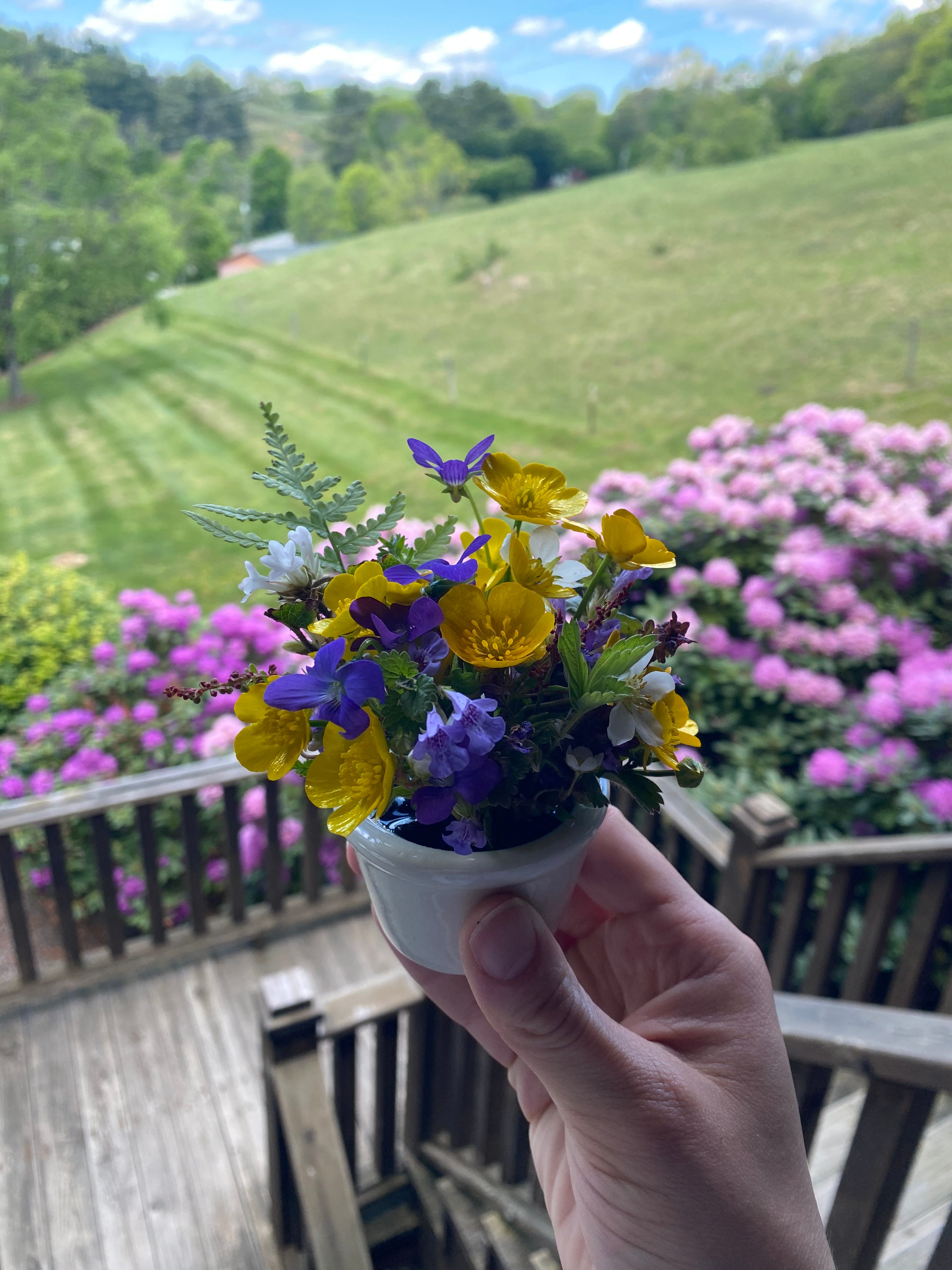
At this point last year, I was struggling to get out of bed and get myself to work every day. Joy was a rarity, and joy certainly didn’t come from short-lived, worldly things like a bouquet of flowers. I was convinced that my joy could only come from things like praying, reading my Bible, or worshipping. Some days, I questioned if joy itself was somehow wrong to experience.
(That shows you how disordered my thinking was at the time!)
As I’ve reflected on the different ways in which God has been healing my thought patterns from the obsessions that used to run rampant in my brain, my affinity for wildflowers is one that strikes me as particularly surprising.
I’m not sure why this newfound interest originated, but I do remember when.
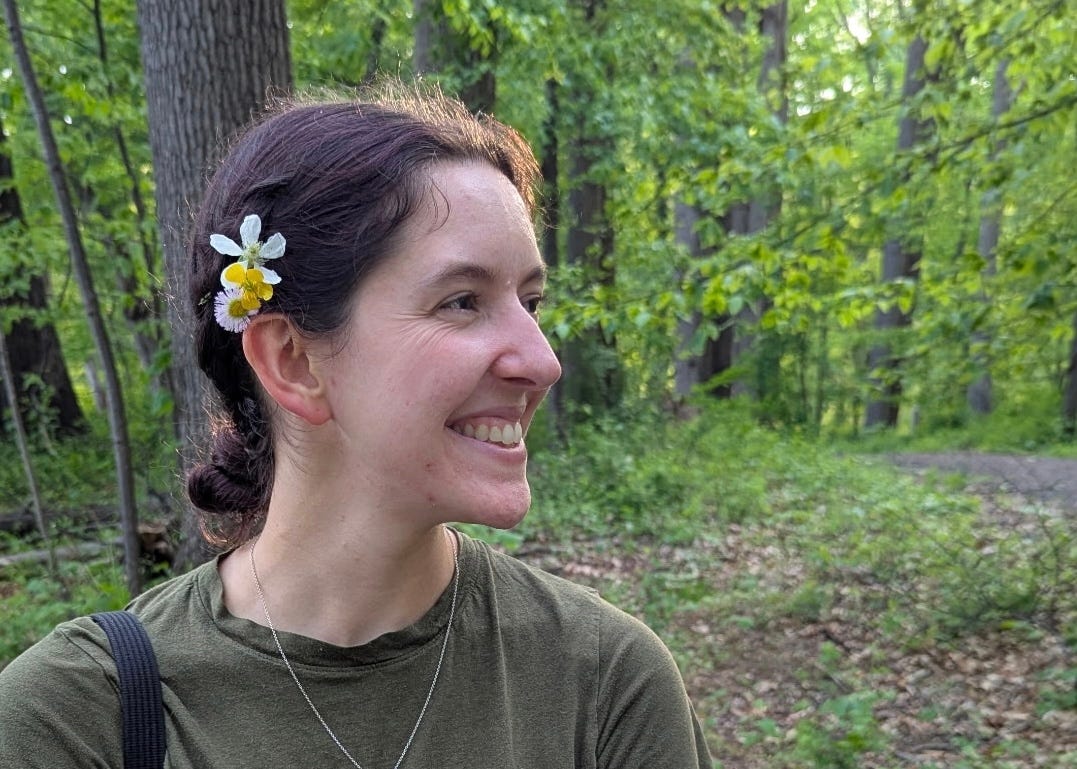
I started dating someone earlier this spring, and it was around the same time that little purple and yellow flowers began to bud up from the greening grass. For some reason, I found myself wanting to ask him (my now-boyfriend) to gather some flowers and tuck them into the folds of my dutch-braided hair.
I didn’t work up the courage until a few dates later, but the wait was worth it. One afternoon in May, we spent an hour walking the trails of a park and finding new flowers to add to my braid. By the time we finished, I had a small bouquet gathered in a cluster behind my ear.
Around that time, I also started making mini bouquets of wildflowers I’d collected outside. The flowers would never last for more than a couple of days, but for some reason, having those little bursts of color on the ledge around my desk at work or my balcony at home brought me a sense of quiet joy. I even acquired a couple of hanging plants and was delighted to watch them grow.
I wasn’t sure why I suddenly found myself enchanted by a thing I had once thought of as a waste of time and money, but it was evidence that something in me had changed.
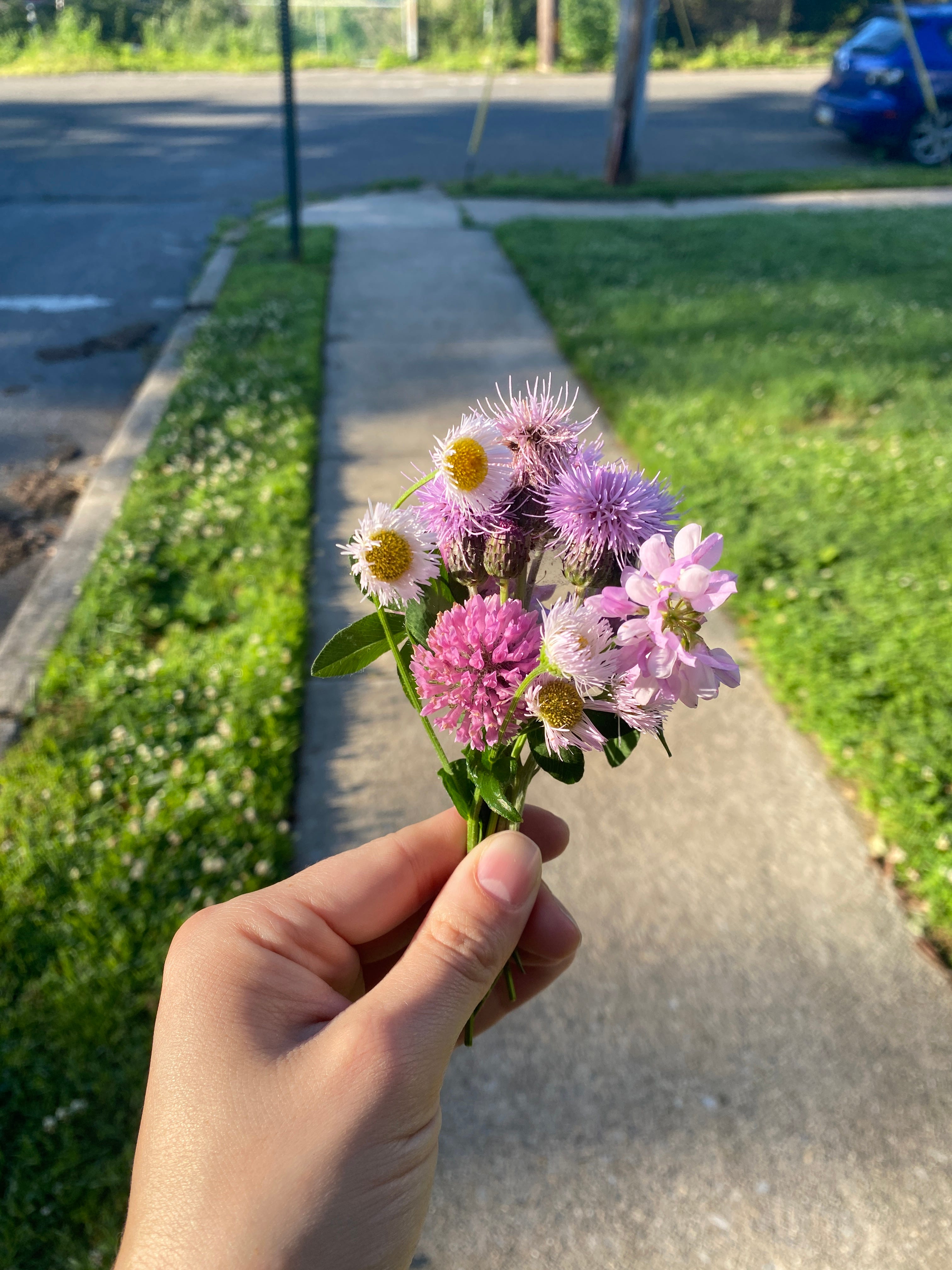
I don’t know if I’ll always find as much joy in flowers as I do right now. But through the process of picking blooms and watching them fill up my spaces with vibrant shades of yellow, purple, and pink, I’m remembering that fleeting, “earthly” things can still be an avenue in which we experience God’s love, beauty, and joy.
Flowers don’t last forever. No worldly joy does, even things that last for years and years. The only place in which we can find everlasting, evergreen joy is the kind we find in our Father.
But small things like picking a bouquet of wildflowers, drinking a cup of coffee, reading a book, calling a friend, watching the sunset or a movie or a baseball game—they all allow us to catch just a glimpse of the “fullness of joy” that we will one day experience when we see Jesus face to face.1 As I’ve heard it said, the gifts we receive are meant to point us to the Giver.
If you are suffering from OCD, depression, or another mental health issue, it can be difficult to experience delight in little things (or sometimes, anything). It may feel like things that used to bring you happiness have been ruined forever by your illness, and that maybe you’ll never be able to experience that type of childlike joy again.
If that’s you, then know that I’ve been where you are. I don’t know your exact situation, but I’ve walked through months and years where I wasn’t sure if I would be able to find joy in the things I used to.
But here I am today, testifying that our God is one who specializes in restoring what seems to be irreparably broken.
Sometimes He heals instantly through a massive miracle, and sometimes He heals slowly through a bouquet of flowers.
But isn’t it wrong to find joy in something so…worldly?
Shouldn’t I only experience joy from things like reading Scripture, praying, or worshiping?
I don’t think it’s a bad desire to seek joy from more explicitly “spiritual” activities. But if we live our lives believing that we can only experience God’s presence and joy when we’re engaging with the things that are “spiritual enough,” I think we’ll be missing out on a lot of what our relationship with Him has to offer.
It’s also easy to go through life collecting moments of pleasure and completely forgetting to look for God. When my OCD was louder, I would obsessively force myself to find spiritual themes in whatever I was doing, so I felt like I was thinking about God a lot more often than I am now. But those thoughts and prayers were often coming from a foundation of fear and compulsion rather than love and connection.
Now that the voice of fear in my head is quieter than it used to be, I find myself having to be more intentional about bringing my awareness to God. If I don’t practice intentionality, it can be easy to go through the day and forget the beautiful, love-shaped miracle that He is with me always.
Now, there is surely discernment required in what we choose to find joy in—as well as how we can be stewards of that joy—but I no longer believe that the only joy to be found is restricted to reading Scripture or praying or worshiping. Those who struggle with scrupulosity know how much OCD attempts to shrink and constrain our lives, but I believe that there is more to our relationship with God than just the “classic” spiritual disciplines.
One reason I believe that God gave us Scripture is to illuminate our eyes so that we can see Him everywhere, not just on the pages in our Bible. I think that prayer in a park or a stadium or an office building counts just as much as praying on your knees beside your bed. And worship doesn’t always mean singing—we can joyfully worship our Creator through writing, dancing, raising children, working, and so much more.
Now that my mind is functioning in a healthier manner, it’s been a gradual process of relearning how to invite Him into moments and thank Him for being the source of all joy, no matter if it comes from reading verses out of Romans or from picking wildflowers that bend like dancers along the sidewalks.
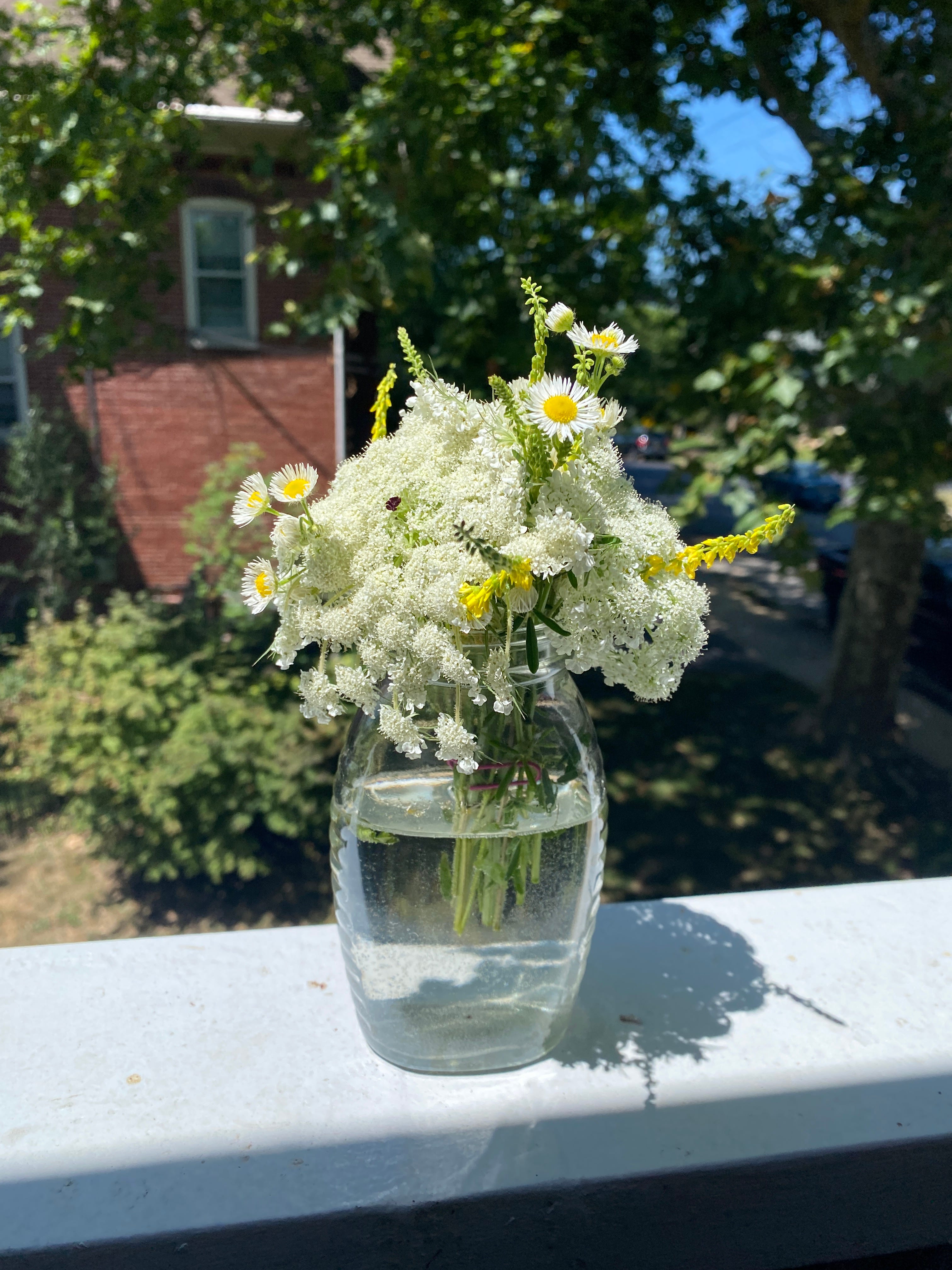
Maybe joy won’t feel as carefree and pure as it did when I was a child who didn’t struggle as much with obsessions. But in the past six months, I’ve found that my capacity for experiencing more of that “childlike joy” is expanding.
Last year, where I am now would have seemed completely impossible. But my appreciation for things I once considered irreversibly marred by OCD’s “what’s the point” or “what if this is wrong” questions has been restored, answering prayers that I didn’t even think to pray a year ago because I felt too far gone.
As I continue with this “Hope for OCD” Series, I want to talk more about some of the restorations I’ve experienced (like my appreciation for wildflowers). I don’t know how many posts will end up being in this series, but I want to continue writing about some of the areas that God has restored into beauty from the ashes of OCD.
My prayer is that it will bring hope in your own life by reminding you who our Father is and what He’s capable of. If you’re going through a season where joy feels out of reach or you feel broken being repair, take heart. I don’t believe that our God is someone who willingly leaves His children in despair, even if that’s what it feels like He’s doing to you right now.
If He can make dry bones come alive, then surely He can revive your broken spirit—just as He can coax a wildflower to spring up from the thawing winter soil.
This kinda reminds me of the story of the flood & the dude saying God's gonna save me. Several boats come by and he's like nah, God will save me. He has to eventually get to the roof and a helicopter comes by and he says I'm not getting in, God will save me.
He gets to Heaven and is like God, why didn't you save me? And God says, who do you think sent all the boats??
I know it's just a story but this kinda feels like that. Like no, God's gonna being me joy, I'm finding my joy in God. And He's like, who do you think made those pretty flowers, and caused them to spring up along your path?
This is literally so timely. This morning I was reading Isaiah 35:1-2 and reflecting on the quote "may flowers grow in the saddest parts of you" and wondering how I could experience that. Thank you for posting this my friend 🫶🏻